


Why Legionella Compliance Matters
Legionella is more than a compliance buzzword, it’s a serious public health concern that can have life-threatening consequences if not managed properly. This naturally occurring bacterium thrives in freshwater environments but becomes dangerous when it multiplies inside man-made water systems like cooling towers, hot water tanks, decorative fountains, and plumbing lines.
Over 60 species of Legionella have been identified, but Legionella pneumophila accounts for more than 90% of reported cases. The bacteria thrive when water is stagnant, temperatures are ideal for growth (77–113°F), and disinfectant levels are low. When these conditions align, Legionella can spread quickly through a building’s water system, potentially leading to outbreaks of Legionnaires’ disease, a severe form of pneumonia.
Since 2001, reported cases of Legionnaires’ disease have increased fourfold, with 74% of infections affecting individuals over 50. In long-term care facilities, one in five cases occurs, and tragically, one in ten people who contract the disease do not survive. The good news: nine out of ten cases are preventable with proper water management and maintenance.
How Legionella Gets Into Building Water Systems
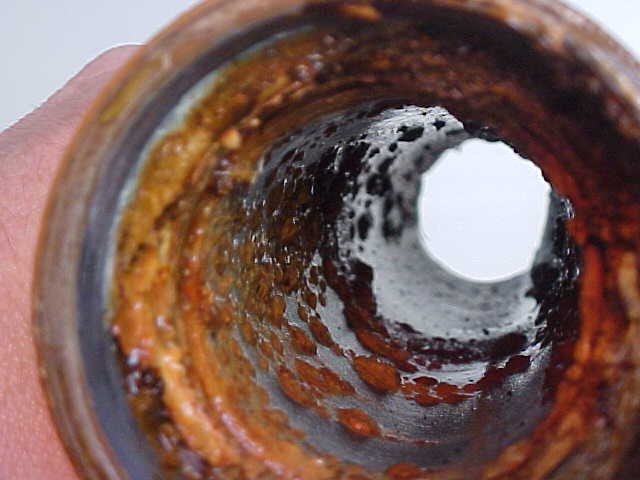
Legionella contamination often starts with biofilm, a slimy layer of microorganisms that coats the inside of pipes and fixtures. Once biofilm develops, it provides a protected environment where bacteria can multiply and resist disinfectants. From there, Legionella can spread through aerosolized water droplets from showers, faucets, cooling towers, or fountains, potentially infecting building occupants.
Even in well-maintained systems, Legionella may still exist and proliferate. That’s why prevention is about control, not elimination.
The Regulatory Landscape: What You Need to Know
Today’s compliance standards surrounding Legionella are complex but essential to understand. Multiple agencies have issued directives designed to protect public health and ensure facilities maintain safe, sanitary environments.
CMS: Centers for Medicare & Medicaid Services
Under CMS Policy Memorandum QSO-17-30, hospitals, critical access hospitals, and long-term care facilities that accept Medicare or Medicaid payments are required to have a Water Management Program to control Legionella and other opportunistic pathogens. This requirement is part of the federal Conditions of Participation (CoPs) for healthcare facilities.
OSHA: Occupational Safety and Health Administration
OSHA mandates that all employers maintain a workplace free from recognized hazards that could cause death or serious physical harm. This includes waterborne pathogens like Legionella, which can endanger employees in healthcare and industrial settings.
The Joint Commission
The Joint Commission has adopted similar expectations for accredited healthcare facilities. Standards under Environment of Care (EC) and Infection Control (IC) require hospitals and nursing centers to maintain a written water management program, take corrective actions when risks are identified, and review the program annually.
State Departments of Health
Across the U.S., more states are mandating Legionella risk assessments and WMPs. Common state requirements include:
- Conducting a facility risk assessment to identify potential Legionella growth sites.
- Implementing a WMP that aligns with CDC and ASHRAE 188 standards.
- Establishing testing protocols, documenting control measures, and reporting positive results within 24 hours.
Several states now have legislation or proposed regulations specifically addressing water management and Legionella control in public and healthcare facilities, a trend that will only continue to expand.
Have Questions Regarding A Specific Regulation?
Building an Effective Water Management Program
A strong Water Management Program forms the foundation of Legionella prevention and regulatory compliance. The most effective programs combine technical expertise with continuous monitoring and staff engagement.
Key components include:
- Infection Prevention: Identify where and how waterborne pathogens could grow.
- Regulatory Compliance: Align with CMS, OSHA, and state health requirements.
- Corporate Development: Assign clear roles, responsibilities, and training protocols.
- Strategy: Implement proactive testing, temperature management, and disinfection controls.
- Planning & Preparation: Establish monitoring schedules, documentation, and emergency protocols.
Practical Steps to Reduce Risk
Even the best water systems are not immune to contamination. Facilities should adopt a proactive, layered approach that includes the following actions:
- Proactive Risk Assessment (PRA): Identify vulnerabilities before they result in outbreaks.
- Hazard Vulnerability Analysis (HVA): Prioritize and plan for environmental, technological, and human-made risks.
- Comprehensive Water Management Plan: Create a living document that outlines risk points, control measures, and corrective actions.
- System Maintenance: Remove dead legs, maintain equipment, and ensure steady water flow throughout the system.
- Routine Testing: Validate the effectiveness of your WMP through consistent Legionella testing, as recommended by the CDC.
Partnering with IWC Innovations
Mitigating the risk of Legionella in building water systems is critical for protecting public health, maintaining compliance, and ensuring reliable operations. Proactive management not only reduces liability but also demonstrates your organization’s commitment to safety and care.
If it’s hot, keep it hot.
If it’s cold, keep it cold.
And always keep the water moving.
When it comes to Legionella prevention and water safety compliance, experience matters. At IWC Innovations, we don’t just help you meet regulations, we help you build confidence in your water systems.
Our team of water management experts takes a proactive, data-driven approach to identify risks, implement best practices, and ensure continuous compliance with CMS, OSHA, and CDC standards. From developing custom water management plans to providing on-site testing, remediation, and ongoing support, IWC is a true partner in protecting your facility, your staff, and your reputation.
With decades of industry expertise and a commitment to practical, science-based solutions, we make compliance clear, actionable, and achievable.