


Assisted living and independent living communities are designed to support health, comfort, and quality of life for residents, many of whom are older adults or individuals with underlying health conditions. While these facilities often focus heavily on clinical care, safety, and daily living services, one critical area is frequently overlooked: water management.
Unlike hospitals or large healthcare systems, assisted and independent living facilities are not always explicitly required by regulation to have a formal Water Management Plan (WMP). However, the absence of a mandate does not reduce the risk, or the responsibility, to protect residents, staff, and visitors from waterborne hazards.
What is a Water Management Plan (WMP)?
A Water Management Plan is a proactive, documented program designed to:
- Identify building water systems and how water moves through them
- Recognize areas where waterborne pathogens can grow and spread
- Establish control measures to reduce risk
- Define monitoring, corrective actions, and documentation practices
The most common waterborne pathogen of concern are Legionella, the bacteria responsible for Legionnaires’ disease, an acute pneumonia that can cause respiratory distress. A comprehensive WMP will also address other water quality risks such as scalding, corrosion, and general water safety.
Take control of your water safety today!
Contact us to get started on your Water Management Plan.
866-761-1600
Why These Facilities Are Especially Vulnerable
Assisted and independent living facilities share many characteristics that increase water-related risk:
1. At-Risk Populations
Legionnaires’ disease most often affects vulnerable populations, particularly adults over the age of 50 and individuals with chronic health conditions such as lung disease, heart disease, diabetes, or weakened immune systems. Current and former smokers are also at significantly higher risk.
2. Complex Plumbing Systems
These buildings often include:
- Extensive hot and cold water systems
- Long pipe runs
- Infrequently used fixtures in vacant or rarely used units
- Storage tanks, recirculation loops, and mixing valves
All of these conditions can contribute to water stagnation and temperature ranges where bacteria can thrive.
3. High Water Aerosolization
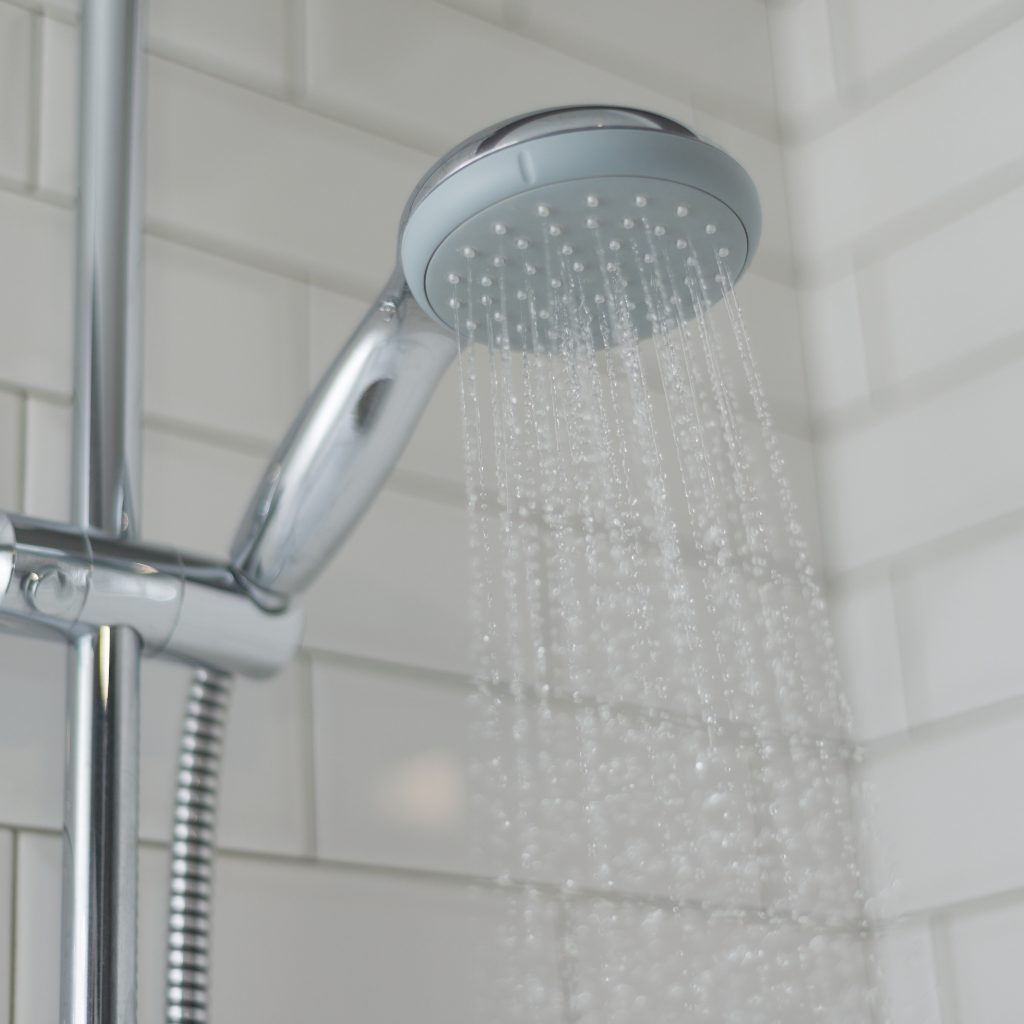
Showers, faucets, decorative water features, therapy tubs, humidifiers, and cooling equipment can all create water droplets that may carry bacteria into the air, making inhalation exposure more likely.
“Not Required” Doesn’t Mean “Not Liable”
While regulations for assisted and independent living facilities vary by state and are often less prescriptive than those for hospitals, liability does not disappear in the absence of a mandate.
In the event of a Legionnaires’ disease case or outbreak, investigations typically focus on whether the facility took reasonable and proactive steps to manage known risks. Increasingly, a documented ASHRAE Standard 188-compliant Water Management Plan is viewed as the industry standard of care.
Without one, facilities may face:
- Legal exposure and costly litigation
- Damage to reputation and resident trust
- Increased insurance and remediation costs
Operational Benefits Beyond Compliance
An appropriate Water Management Plan not only helps prevent an outbreak, but it also supports facility operations.
- Improved Water Quality Consistency: Routine monitoring helps ensure proper temperatures, disinfectant residual levels, and system performance, reducing complaints and maintenance issues.
- Fewer Emergency Repairs: Proactive management can uncover problems like failing valves, poor circulation, or corrosion before they escalate into major repairs or outages.
- Clear Roles and Accountability: A documented plan defines who is responsible for specific tasks, reducing confusion during staff changes or emergencies.
Building Trust With Residents and Families
Families choosing an assisted or independent living community are placing immense trust in the facility’s ability to protect their loved ones.
Being able to confidently say:
“We actively manage and monitor our water systems to reduce health risks.”
can be a meaningful differentiator, especially as awareness of Legionnaires’ disease continues to grow.
A Proactive Step Toward Resident Safety
Even in the absence of a strict regulatory requirement, implementing an industry-compliant Water Management Plan demonstrates:
- A commitment to resident health and safety
- Alignment with industry best practices
- Proactive risk management rather than reactive response
For assisted and independent living facilities, a Water Management Plan is a vital layer of protection for some of the most vulnerable populations we serve.
Interested in learning how an industry-compliant Water Management Plan could work for your facility?
Give us a call at 866-845-0188