
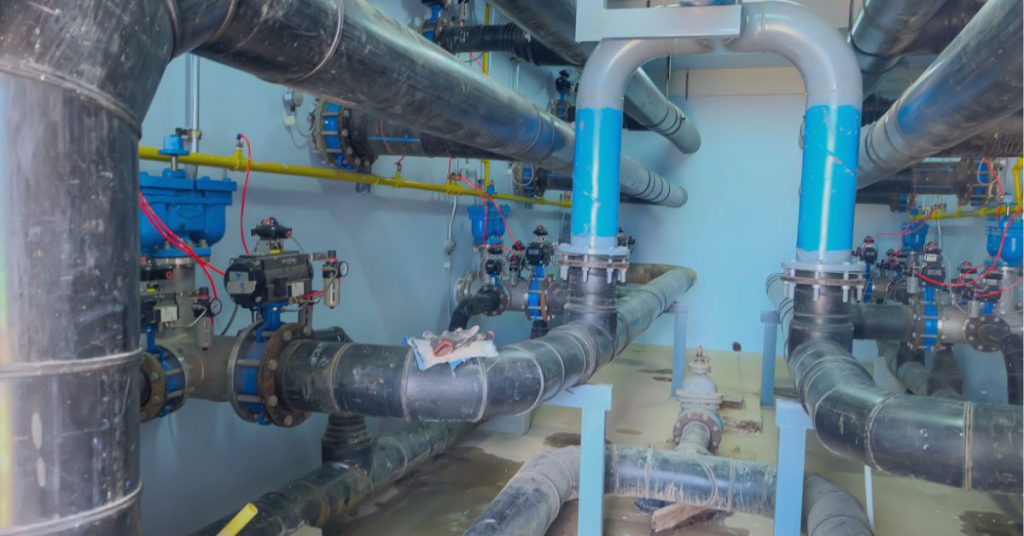

Legionella bacteria can pose a serious health risk when conditions allow them to grow and spread through a building’s water system. Legionnaires’ disease, a severe form of pneumonia, occurs when contaminated water droplets become aerosolized and inhaled. Outbreaks of Legionnaires’ disease are often traced back to overlooked or poorly managed water system components, many of which exist in everyday commercial, industrial, and institutional buildings.
Understanding where Legionella is most likely to grow and how often those areas should be reviewed is a great first step in preventing exposure. But what exactly are you looking for? We’ll walk you through how to spot high-risk areas in your building’s water system.
First things first, what conditions encourage Legionella growth? Legionella is a type of bacteria found naturally in freshwater, but it becomes a health risk when it grows in man-made water systems. There are 4 conditions we see that encourage Legionella growth:
- Water temperature between 77°F and 113°F
- Stagnant or low-flow water
- Biofilm, scale, sediment or corrosion
- Low residual disinfectant levels (if provided)
Any part of your water system that meets any one of these conditions should be considered a potential risk area.
But where are these conditions typically found in your water system? There are a few high-risk areas we recommend watching closely.
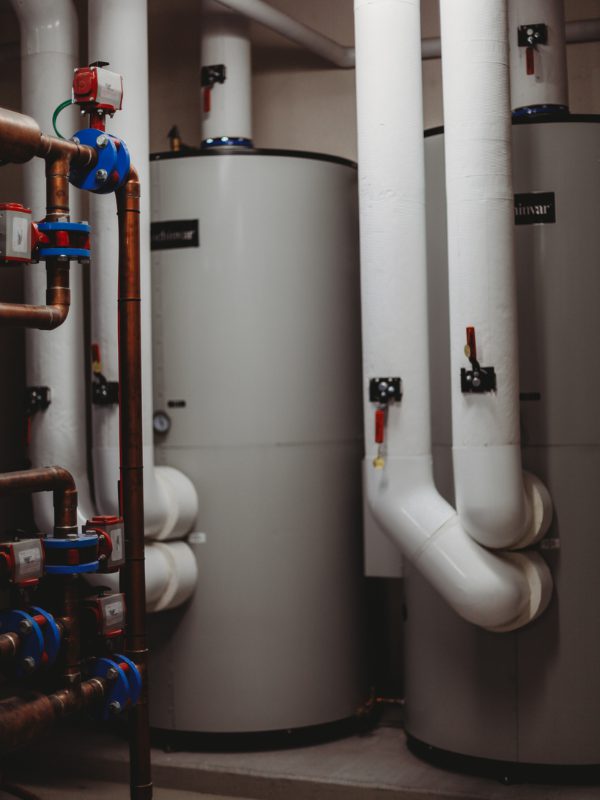
Domestic hot water systems are one of the most common sources of Legionella growth. These high risk components include water heaters and storage takes, recirculation loops, mixing valves and tempering valves. If hot water temperatures are not consistently maintained above recommended thresholds, Legionella can grow and multiply over time, especially in areas where water sits unused.
Cooling towers are also a well-documented source of Legionella outbreaks due to warm temperatures, open design, and aerosol generation. Proper water treatment, monitoring, and maintenance should be conducted regularly while the cooling tower is in operation to avoid it becoming a high-risk exposure site.
An often overlooked risk area are dead legs and low-use fixtures. A dead leg is a section of pipe with little or no regular water flow which causes water to stagnate. Common examples include capped pipes from renovations, infrequently used restrooms, and seasonal fixtures. Stagnant water in these areas allows disinfectant levels provided by the municipal water provider to drop and biofilm to form.
Fixtures that produce fine water droplets are another high-risk exposure category. This includes showerheads, and faucets, as well as aerators, as they can trap sediment and biofilm if they are not cleaned and flushed regularly.
Additionally, any vessel that stores water, even temporarily, like storage tanks and expansion vessels. These can become a growth risk area due to sediment, buildup, infrequent turnover, and temperature stratification.

Last but not least, medical and specialized equipment can harbor bacteria growth, causing them to become high-risk areas. This includes ice machines, eye wash stations, humidifiers, dental water lines, CPAP machines, and laboratory systems. All of these often operate in temperature ranges favorable to Legionella growth and may not be used daily.
Now that you’re able to identify high-risk areas for growth in your building, the next question you’re probably asking is how often should you review your plumbing system for high-risk areas? High-risk areas should not be identified once and forgotten, they must be reassessed as conditions change.
At minimum, we recommend that plumbing systems should be reviewed:
- Annually as part of your Water Management Plan (WMP) review
- After any building renovation or plumbing modification
When building usage changes, such as extended shutdowns, seasonal occupancy, or space repurposing (e.g. clinical spaces now used as storage areas)
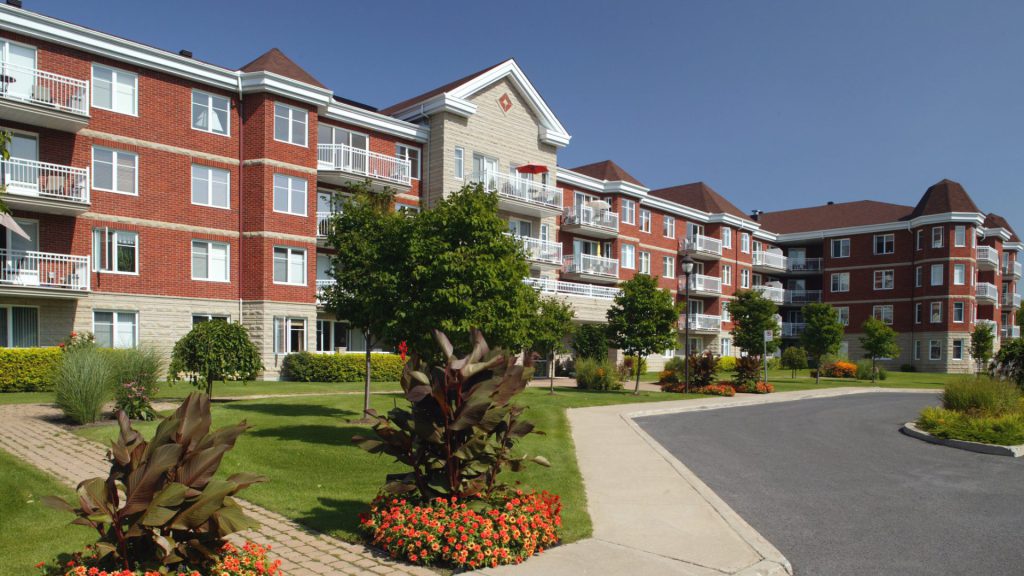
If you operate a higher-risk building where people stay overnight, such as healthcare facilities, senior living communities, hotels, large multifamily, or industrial facilities, you should consider:
- Quarterly reviews of identified high-risk areas
- Monthly verification and monitoring of temperature control, flushing practices, and disinfectant levels
There are also certain situations that we recommend immediate reassessment of already identified high-risk areas as any of these situations can quickly alter risk conditions and should trigger proactive action. These include:
- Extended periods of low occupancy or stagnation
- Water heater failures or temperature setpoint changes
- Cooling tower start-up after shutdown
- Positive Legionella test results
- Changes in water chemistry or drops in disinfectant residuals
If you do not have one already, we recommend implementing a water management plan. Your water management plan should serve as a living document, not a one-time exercise. Each review should:
- Confirm existing high-risk areas
- Identify new risks created by system changes
- Verify that existing control measures are still effective
- Update monitoring and corrective action procedures
This demonstrates due diligence and compliance, while giving building occupants and the community confidence that their health and safety are a top priority.
It’s time to take a proactive approach to water safety.
Legionella growth risk exists in nearly every complex building, but consistent review and proactive management make it redundant. Knowing where risks exist, and how often to reassess them, can significantly reduce the likelihood of Legionella growth and exposure.
If you’re unsure how frequently your system should be reviewed or where your highest risks lie, reach out to IWC Innovations and we can help ensure your program stays effective and compliant.