
About The Facility
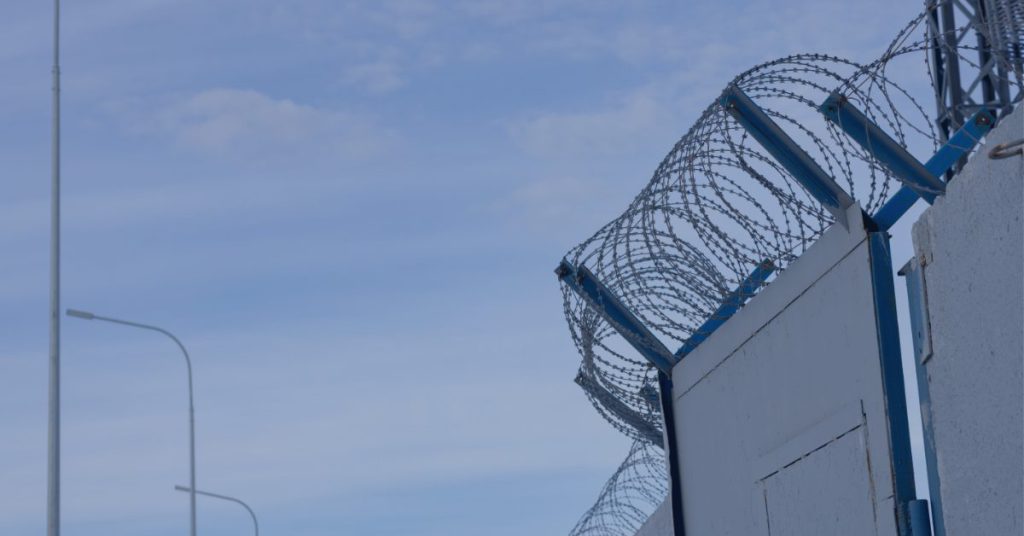
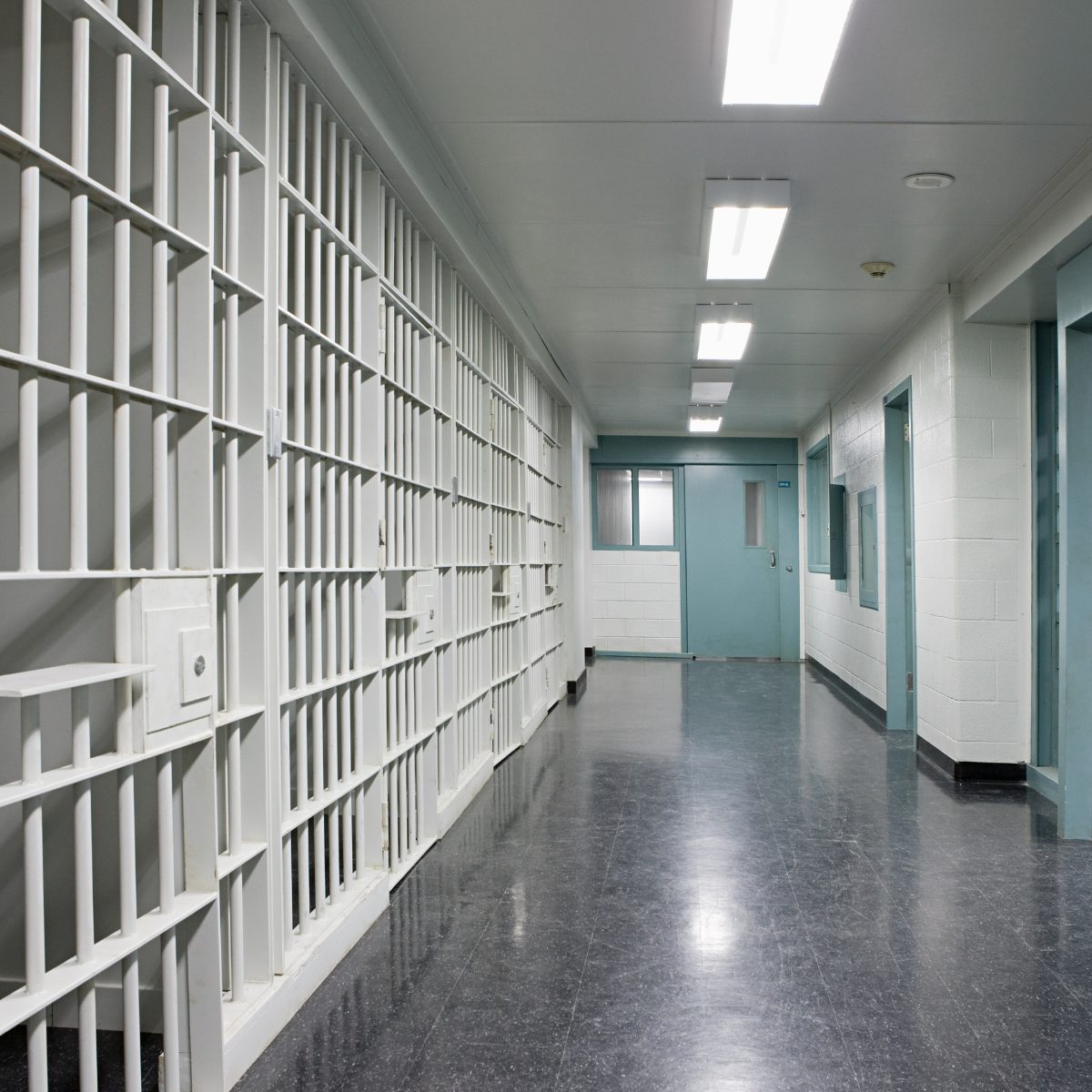
The correctional health care facility spans several acres and consists of 94 individual buildings, including housing units, administrative spaces, medical facilities, and support infrastructure. Due to the secure nature of the environment, all remediation activities were conducted under strict security protocols. IWC Innovations’ personnel were required to comply with escorted access, security screenings, and tightly controlled work schedules, adding a layer of operational complexity to an already large-scale water treatment project.
The size of the campus, combined with varying building usage patterns and water demand, created a challenging environment for maintaining consistent water quality across the entire domestic potable water system.
The Problem
The facility had been experiencing persistent Legionella contamination throughout its domestic water system, resulting in ongoing concern from both facility leadership and the Department of Health. Despite prior mitigation efforts, the site continued to struggle with recurring bacterial growth, indicating the presence of established biofilm within the plumbing infrastructure.
Regulatory limitations further complicated remediation efforts. The Department of Health was restricted to applying low doses of free chlorine residuals, which proved ineffective for penetrating biofilm and achieving long-term control. As a result, the facility faced continued monitoring, elevated risk to occupants, and increasing pressure to identify a more comprehensive and sustainable remediation solution.
IWC's Approach
IWC Innovations implemented its standard Legionella remediation protocol across all 94 buildings on the campus, delivering a coordinated, system-wide treatment approach. The remediation strategy focused on two critical objectives:
- Elimination of biofilm, which serves as a protective habitat for Legionella and other waterborne pathogens
- Eradication of free-floating bacteria throughout the potable water system to reduce immediate risk
Extensive planning and collaboration with facility personnel were required to execute the remediation safely and efficiently. Treatment schedules were carefully coordinated to accommodate security requirements, building access limitations, and operational continuity. Throughout the process, IWC Innovations maintained strict adherence to health, safety, and regulatory standards while minimizing disruption to daily facility operations.
The Results
Post-remediation testing confirmed the effectiveness of the treatment, with Legionella levels significantly reduced across the campus.
Results were verified by independent laboratory analysis, providing third-party validation of the remediation’s success.
Follow-up sampling showed only minimal regrowth at extremely low levels, indicating the biofilm-focused disinfection strategy successfully disrupted conditions that previously supported Legionella persistence.
The facility continues routine monitoring, with ongoing discussions around supplemental water safety management strategies and targeted follow-up treatments to support long-term control.
Conclusion
Through a carefully planned and expertly executed remediation, IWC Innovations successfully reduced Legionella levels across this large, complex correctional health care facility. Independent laboratory testing and follow-up sampling confirmed both immediate effectiveness and strong short-term control, even within a highly regulated and operationally constrained environment.
While no remediation can eliminate future risk without continued oversight, the results demonstrate that a comprehensive disinfection strategy, paired with ongoing monitoring, can significantly reduce exposure risk and support regulatory compliance. The project highlights IWC Innovations’ ability to deliver scalable, effective Legionella remediation solutions in high-security, high-risk facilities, setting the foundation for long-term water safety management.