
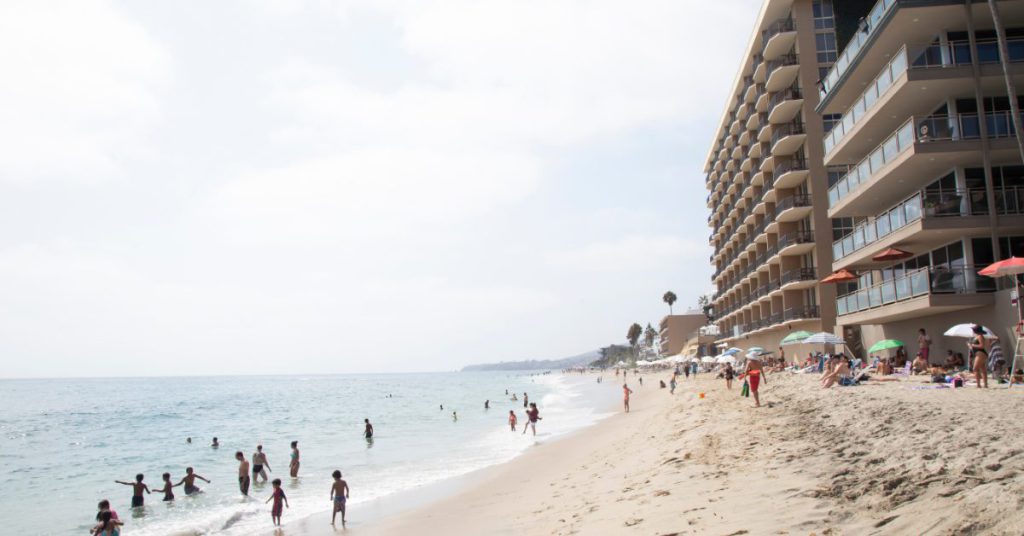

About The Facility
This historic beachfront hotel in Texas, originally opened in 1911, was built as part of the region’s recovery following a devastating hurricane. Designed in a classic architectural style, it quickly became a premier destination known for hosting notable guests and events. Over the decades, the property has remained an iconic landmark, undergoing renovations to preserve its historic character while continuing to operate as a luxury resort.
The Problem
The hotel came under fire after multiple guests tested positive for Legionnaires’ disease. The Department of Health (DOH) conducted a case investigation and traced the source of exposure back to the hotel’s water system. Following these findings, the hotel engaged IWC Innovations to provide expert guidance in identifying and mitigating the issue.
During our review of the plumbing system, it was discovered that due to the many renovations of the hotel, there were a large number of dead legs that have been inhibiting Legionella bacteria growth, causing elevated bacteria levels in the water. In plumbing, a “dead leg” is a section of pipe where water doesn’t flow regularly or at all, causing it to sit stagnant. It’s usually a branch or extension of piping that’s no longer used or rarely used. Water gets trapped there instead of circulating through the system. One of the most common examples we see are old lines that were left behind after renovations.
In order to effectively reduce Legionella bacteria, it was recommended to remove all dead legs from the building’s plumbing system.
IWC's Approach
To address the immediate risks and meet Department of Health (DOH) requirements during the active case investigation, IWC Innovations implemented a targeted, multi-step approach focused on both remediation and long-term prevention:
- Recommended the removal of all dead legs in the plumbing system to eliminate areas of stagnant water
- Performed remediation of the water system to reduce the presence of Legionella and restore safe operating conditions
- Developed and implemented a Water Management Plan (WMP) to ensure ongoing compliance and proactive risk management
- Conducted routine water testing and monitoring in accordance with DOH requirements throughout the investigation period
This comprehensive approach ensured both immediate corrective action and sustainable, long-term water safety.
The Results
- All dead legs removed from the plumbing system, eliminating areas of stagnant water and reducing potential Legionella growth sites
- Successful remediation completed, with bacteria levels brought within a controlled and acceptable range
- Water Management Plan implemented, including actionable control measures to continuously monitor and reduce the risk of Legionella growth
Conclusion
Through a combination of targeted remediation, infrastructure improvements, and proactive planning, the hotel successfully addressed the root cause of elevated Legionella risk within its water system. By removing dead legs, completing system-wide remediation, and implementing a comprehensive Water Management Plan, the facility not only resolved the immediate issue identified by the Department of Health but also established a sustainable framework for ongoing water safety.
With these measures in place, the hotel is now better equipped to protect guest health, maintain regulatory compliance, and prevent future risks. This demonstrates the critical importance of addressing system design flaws and maintaining a proactive approach to water management.