Legionella Prevention & Water Management for Data Centers
Designing Water Management Strategies for Data Centers and Colocation Facilities
Data centers are often described as the backbone of the digital economy, yet the water systems that keep them running remain largely invisible. As AI workloads grow, cooling demands intensify, and facilities expand into water-stressed regions, water is no longer just an operational input. It is a strategic infrastructure risk, public health responsibility, and sustainability differentiator.
IWC Innovations helps data center operators, colocation providers, and infrastructure leaders – including hyperscale facilities, QTS data centers, and enterprise operations – move beyond reactive water management toward intelligent, resilient, and future-ready water systems to help prevent Legionella and other waterborne pathogens.
Understanding Data Center Water Systems and Where the Risk Lives at Your Facility
Behind every search, stream, and AI model is a cooling system that depends on water. A single 1-megawatt (MW) data center can use tens of millions of liters of water annually, and hyperscale campuses can draw millions of gallons per day.
What often goes unmeasured is how water quality, stagnation, and thermal conditions create long-term operational and health risks, causing Legionella and other waterborne pathogens when not actively managed. Some of these factors accelerating risk include:
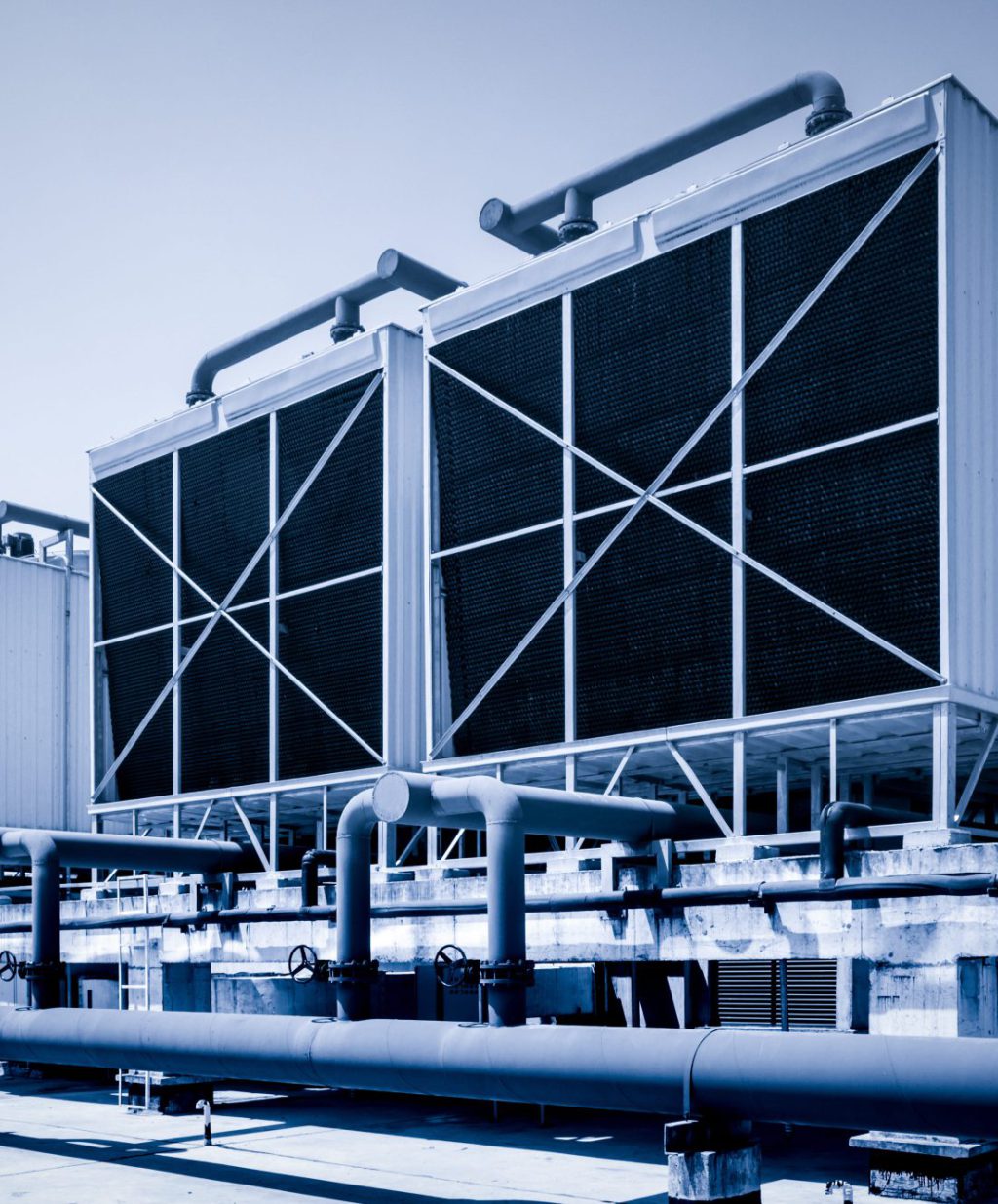
Traditional cooling towers work by evaporating water to remove heat. While highly efficient for heat rejection, they consume significantly more water via evaporation and create ideal conditions for Legionella growth: warm water temperatures, aerosolization potential, and continuous operation.
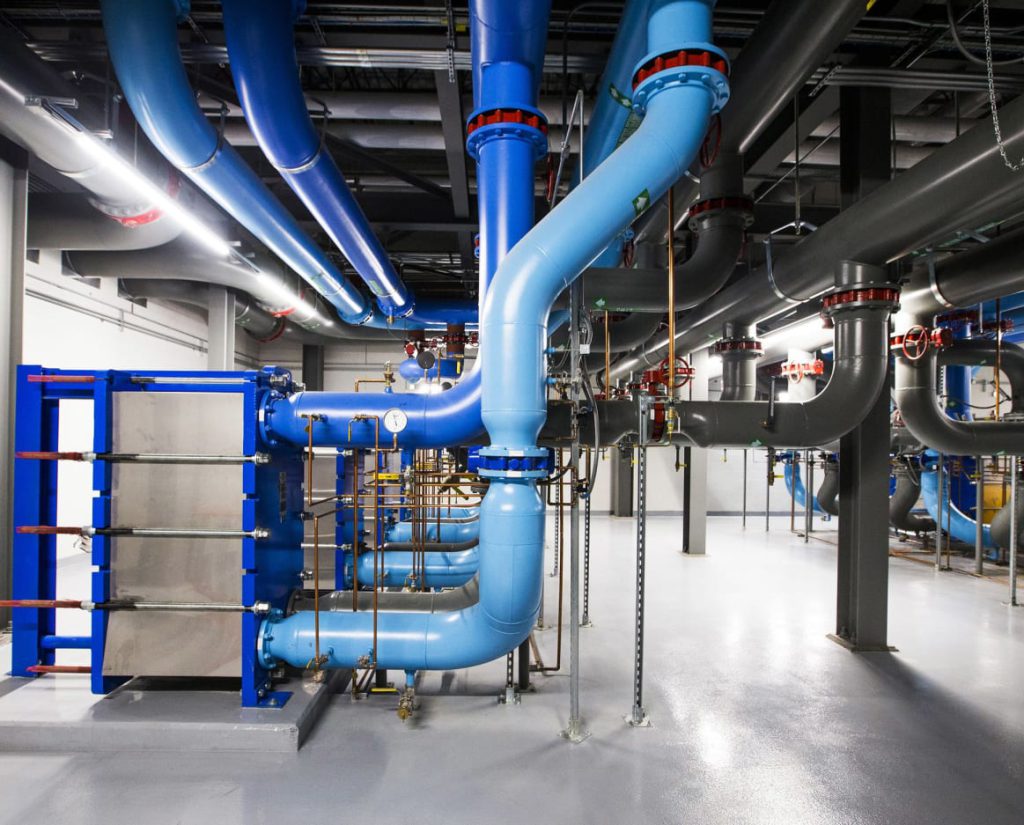
These systems circulate chilled water through heat exchangers to cool the air surrounding server equipment. Complex piping networks with potential dead legs and stagnant zones can harbor bacterial growth if not properly managed.
Emerging technologies circulate liquid coolant directly to processor chips. Direct-to-chip liquid cooling greatly reduces Legionella risk compared with traditional open cooling-tower systems, but it does not automatically eliminate it. There can still be risk wherever water is stored, recirculated, warmed, and potentially aerosolized or cross-connected with other building water systems.
Guest facilities, restrooms, and emergency systems all rely on potable water networks that require temperature management and regular testing to prevent bacterial colonization.
Key Water Systems at Risk for Legionella in Data Centers
Different data center models face unique water management challenges. Here’s how IWC Innovations addresses Legionella risk across various facility types.
| Data Center | Water Systems at Risk | IWC Innovations Solutions |
|---|---|---|
| Hyperscale Data Centers | Large cooling towers, extensive chilled water networks, backup systems across multiple buildings. | Comprehensive Water Management Plans (WMPs) with system-wide mapping, quarterly Legionella and waterborne pathogen testing for all high-risk zones, continuous monitoring with automated alerts. |
| Colocation Data Centers | Shared cooling infrastructure, multi-tenant plumbing systems, ice machines, communal water distribution. | Tenant-transparent reporting with detailed water quality data, customized Legionella and waterborne pathogen testing schedules, rapid remediation to minimize tenant impact. |
| Edge Data Centers | Compact cooling systems, limited water treatment infrastructure, smaller potable water networks. | Simplified monitoring and testing programs for limited staff, remote consultation and virtual oversight, emergency response planning with rapid deployment. |
| Enterprise Data Centers | On-site cooling towers, steam boilers, closed-loop systems, legacy plumbing infrastructure. | Comprehensive risk assessments, system upgrades and retrofits to eliminate dead legs, preventive treatment addressing biofilm in older systems. |
Staying Ahead of Regulations and Compliance Standards for your Hospitality Properties
The data center industry is at a critical inflection point. Recent research and real-world examples demonstrate why proactive water management at your facility is no longer optional—it’s essential for operational resilience and regulatory compliance. Key industry statistics include:
Growing Water Demand: According to Lawrence Berkeley National Laboratory’s 2024 report, U.S. data centers directly consumed approximately 17 billion gallons of water for cooling in 2023. This figure could double or even quadruple by 2028 as AI-driven expansion continues.
Measurement Gap: Despite massive consumption, less than one-third of data centers measure water usage. This lack of visibility creates both operational and compliance risks as regulatory scrutiny intensifies.
Concentration in Water-Stressed Areas: Two-thirds of new data centers built or in development globally since 2022 are located in places already plagued by water stress, creating heightened community tensions and regulatory pressure.
Regulatory Compliance: The New Normal for Data Center Water Management
Data center operators face increasingly stringent water quality requirements from ASHRAE 188, CDC Guidelines, OSHA, and state/local regulations. A single Legionella outbreak can result in facility shutdowns, legal liability, and reputational damage — making prevention exponentially less expensive than response. IWC Innovations provides comprehensive solutions tailored to every data center infrastructure.
Water Treatment for Cooling Towers, Boilers & Closed Loops
This is the heading
FAQs on Data Center Water Management and Legionella Prevention
Quarterly testing at minimum, with monthly testing for high-risk areas like cooling towers. Facilities with previous detection should increase frequency until consistently negative.
24/7 operation creates continuous warm water conditions, complex piping can develop stagnant zones, and cooling towers create aerosolization risks. Colonization happens in just days.
- Ask about water usage effective metrics, Legionella testing protocols, inspection frequency, available documentation, and emergency response plans.
IWC’s 24/7 response includes site assessment, shock disinfection, coordinated communication, post-treatment verification, and corrective action plans.
Closed-loop systems dramatically reduce operational consumption but still require initial filling, periodic makeup water, quality management, and inspections.