Closed Loop Water Systems: Filtration, Treatment & Chemical Programs
Protecting Your Closed Loop Water Systems
Closed loop water systems are often out of sight, but they still require regular testing, monitoring, and treatment to stay protected. Without proper water quality management, closed loop treatment systems can develop sediment buildup, corrosion, biological fouling, and reduced heat transfer efficiency, leading to problems that affect pumps, piping, and overall system performance.
IWC Innovations provides closed loop water treatment for hydronic systems, chilled water systems, cooling towers, and boiler water systems in manufacturing facilities, commercial buildings, healthcare facilities, data centers, schools, and other properties. Our team works with facility operators to identify closed loop water issues early and recommend the right combination of testing, closed loop water treatment chemicals, filtration, cleaning, and water management plans to keep systems running smoothly.
Water Treatment For Closed Loop Systems: Why It Matters
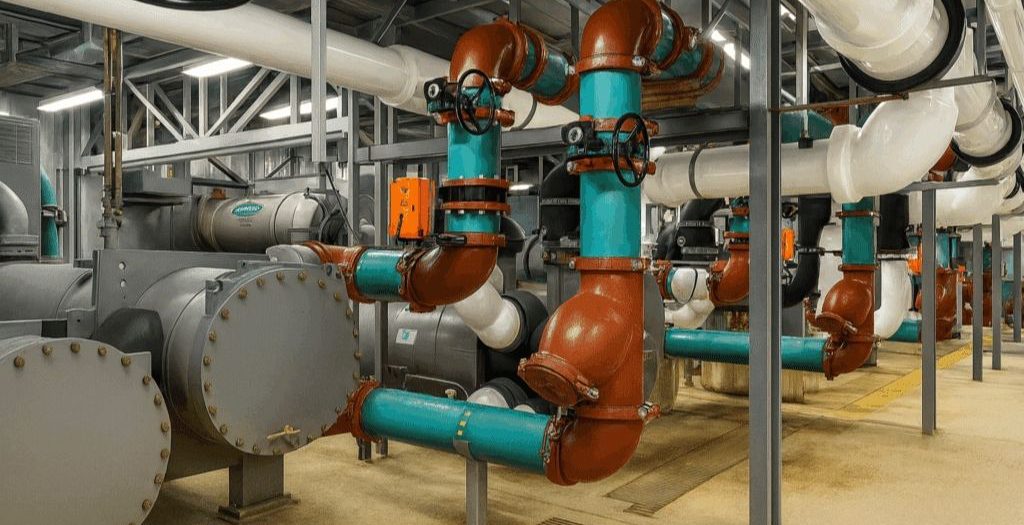
IWC Innovations supports a range of facilities that rely on closed loop water systems for heating, cooling, and process performance. Left untreated, closed circuit water systems can cause condensation damage to walls and building materials, accelerate pump and piping wear, and drive up long-term maintenance costs. The most common issues include:
Risk of
biological growth
Sediment buildup blocks proper water flow, causing stagnation and condensation on pipes. Over time, this leads to water and mold damage — and a costly insurance claims process.
Heavy sediment that
leads to extreme damage
Stagnant water creates ideal conditions for bacterial growth, particularly in low-flow areas. Left unmanaged, this compounds water quality issues and drives up chemical treatment costs.
Reduced thermal performance
due to contamination
Corrosion, scale, and debris force your system to work harder, shortening component life and raising operating costs. Proactive treatment reduces unplanned repairs and protects your bottom line.
Closed Loop Water Treatment and Maintenance for Your Facility
Without proper closed loop treatment, condensation damage, pump failures, and piping wear can quickly turn into costly drywall, cabinet, and equipment replacement projects. IWC Innovations supports facilities that rely on closed loop water systems to maintain heating, cooling, and process performance.
Pot Feeders for Closed Loop Chemical Treatment
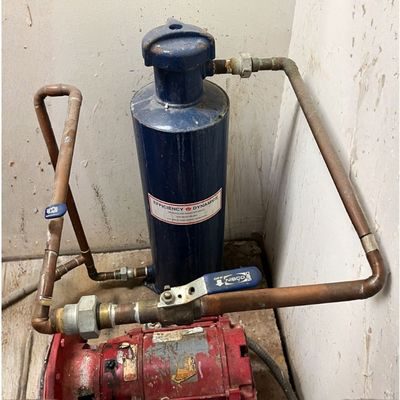
A pot feeder is a pressurized vessel connected directly to a closed loop system that allows water treatment chemicals to be introduced in a controlled, targeted way. Rather than relying only on manual dosing, a pot feeder helps deliver corrosion inhibitors, biocides, and pH-adjusting chemicals without disrupting system operation. For closed loop water systems that require ongoing chemical maintenance, pot feeders help keep water chemistry stable over time.
Legionella Prevention in Closed Loop Systems
Closed loop water systems are often viewed as lower risk for Legionella, but they are not risk‑free. When sections of the system sit idle or flow is inconsistent, warm, stagnant areas can develop where biofilm, sediment, and bacteria are more likely to build up.
These conditions can limit the effectiveness of routine chemical treatment and make contamination harder to control. For facilities that include closed loop systems in their overall water safety strategy, Legionella prevention should sit alongside filtration, chemical treatment, and regular system maintenance. If Legionella is detected or suspected, IWC can provide testing and remediation support to help you respond quickly and return the system to stable operation.
Many commercial environments have unique water system risks and require a tailored approach to water quality, testing frequency, and system monitoring. Explore our specialized service offerings for your property type.
How IWC Can Help
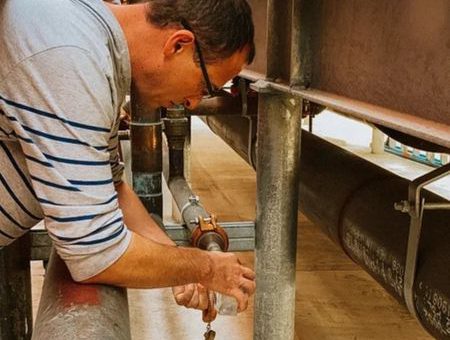
IWC Innovations helps facilities take a proactive approach to closed loop water treatment through water testing, system analysis, and targeted chemical, filtration, and cleaning recommendations. Our focus is on protecting equipment, stabilizing system performance, and reducing unplanned repairs by addressing closed loop water issues before they become major failures.
For facilities that also need support across cooling towers, domestic water, and other risk points, closed loop treatment can be integrated into a broader water management strategy. Learn more about our Water Management Plan (WMP) services and how they can support your facility‑wide water quality and risk management approach.
FAQs on Closed Loop Water Systems
A closed loop corrosion inhibitor is a chemical treatment that forms a protective layer on metal surfaces inside the system to slow or prevent corrosion caused by dissolved oxygen and aggressive water chemistry. Without an active inhibitor program, ferrous and non-ferrous metals in piping, pumps, and heat exchangers will deteriorate over time, leading to system failures and costly repairs.
Closed loop systems are often seen as lower risk than open systems like cooling towers, but they are not risk‑free. Warm, stagnant areas, dead legs, and biofilm buildup can create conditions where Legionella and other bacteria are more likely to persist. A proactive program that combines treatment, monitoring, and regular system review helps keep that risk in check.
Closed loop treatment chemicals and filtration are especially important for hydronic loops, closed loop cooling water systems, chilled water loops, and closed loop wastewater systems that support heating, cooling, and process operations. Facilities with water treatment for closed loop hydronic systems, closed loop cooling tower water treatment, or closed loop wastewater treatment systems benefit from stable water chemistry, reduced corrosion, and fewer closed loop water issues that drive up repair and replacement costs.
Filtration and chemicals work together in closed loop water treatment to keep water clean and stable. Closed loop water filtration systems remove suspended solids and debris, while closed loop water treatment chemicals and closed loop inhibitors control corrosion, scale, and biological growth. Used together, they help protect pumps, piping, and heat‑transfer surfaces so your closed loop water systems operate efficiently over time.