


Periods of low building occupancy, whether due to seasonal closures, remote work trends, renovations, or temporary shutdowns, can significantly increase the risk of Legionella growth in building water systems. When water sits unused in pipes and plumbing fixtures, it becomes stagnant, creating ideal conditions for bacteria like Legionella pneumophila to multiply.
Legionella bacteria can cause Legionnaires’ disease, a serious and potentially fatal form of pneumonia that spreads through inhaling contaminated water droplets. Because of this risk, facility managers must take proactive steps to maintain safe water systems during times of reduced building usage.
Implementing a building water management plan, conducting routine flushing, and monitoring water quality are critical steps in reducing Legionella risk during low occupancy.
Why Low Occupancy Increases Legionella Growth Risk
When a building operates below normal capacity, water demand drops significantly. Without regular movement through pipes and fixtures, water becomes stagnant.
Stagnant water systems are one of the leading contributors to Legionella growth.
Several factors combine to increase risk during low occupancy:
1. Water Stagnation: Low water usage allows water to sit in plumbing systems for extended periods. Stagnant water loses disinfectant residuals and encourages microbial growth.
2. Loss of Disinfectant Residuals: Municipal water systems typically contain disinfectants such as chlorine or chloramine. These disinfectants naturally dissipate over time, especially when water is not circulating.
3. Ideal Temperature Conditions: Legionella bacteria thrive in temperatures between 77°F and 113°F (25–45°C). Stagnant pipes often drift into this temperature range.
4. Biofilm Formation: When water sits idle, microorganisms can form biofilm, a slimy layer that coats the inside of pipes and protects bacteria from disinfectants.
5. Reduced Fixture Usage: Showers, sinks, fountains, and other fixtures that are rarely used allow water to remain trapped in piping for long periods.
Buildings particularly vulnerable to these conditions include:
Without a preventative strategy, these facilities may unknowingly increase the risk of Legionella contamination.
The Importance of a Legionella Water Management Plan
The most effective way to reduce Legionella growth risk is through a comprehensive water management plan.
A building water management plan, often based on ASHRAE Standard 188, helps facility teams identify areas where Legionella could grow and establish control measures to reduce that risk.
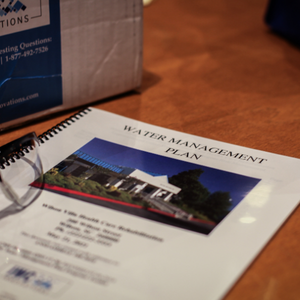
A strong Legionella water management program typically includes:
- Mapping the building’s entire water system
- Identifying high-risk areas (dead legs, storage tanks, cooling towers)
- Monitoring water temperature and disinfectant levels
- Establishing flushing procedures
- Documenting maintenance and corrective actions
Organizations such as the CDC and ASHRAE recommend water management programs for buildings with complex plumbing systems or vulnerable populations.
Working with a water management consultant, like the experts at IWC Innovations, ensures that your program meets industry standards and effectively protects building occupants.
7 Strategies to Reduce Legionella Risk During Low Occupancy
1. Implement a Routine Flushing Program
Flushing plumbing systems regularly is one of the most effective ways to prevent Legionella growth.
Flushing replaces stagnant water with fresh, disinfected water from the municipal supply and restores disinfectant levels.
Best practices for building water system flushing include:
- Flushing all sinks, showers, and fixtures weekly
- Running water until temperature stabilizes
- Flushing both hot and cold water lines
- Prioritizing low-use outlets
- Documenting flushing schedules
A consistent flushing program reduces stagnation and helps maintain safe water conditions throughout the plumbing system.
2. Maintain Proper Hot and Cold Water Temperatures
Temperature control is a critical component of Legionella prevention in building water systems.
Legionella bacteria grow best within specific temperature ranges. Maintaining temperatures outside this range can significantly reduce risk.
Recommended temperature guidelines include:
| Water System | Recommended Temperature |
|---|---|
| Hot Water Storage | ≥ 140°F (60°C) |
| Hot Water Distribution | 120°F (49°C) |
| Cold Water | ≤ 68°F (20°C) |
Maintaining these temperatures helps limit bacterial growth while still supporting safe building operation.
However, facilities must balance temperature control with scald prevention requirements, especially in healthcare or residential buildings.
3. Monitor Disinfectant Residual Levels
Municipal water supplies typically contain disinfectants that help control microbial growth.
However, during periods of low water usage, disinfectant levels can decline.
Facilities should regularly monitor:
- Free chlorine levels (when city/municipality uses chlorine as the primary disinfectant)
- Total chlorine levels (when city/municipality uses chloramines as the primary disinfectant)
- pH levels
- Water Temperature
Routine monitoring allows facility managers to identify areas where disinfectant residuals may be dropping and take corrective action.
Maintaining proper disinfectant levels is essential for Legionella growth control and water quality management.
4. Inspect and Maintain High-Risk Equipment
Certain water systems present a higher risk for Legionella growth and should be closely monitored during low occupancy.
Examples include:
- Cooling towers
- Decorative fountains
- Hot tubs and spas
- Humidifiers
- Ice machines
- Water storage tanks
- Water heaters
Regular cleaning, inspection, and disinfection of these systems helps prevent bacteria from establishing and spreading.
Cooling towers, in particular, require careful maintenance because they can generate aerosols capable of spreading Legionella over large distances.
5. Eliminate Dead Legs in Plumbing Systems
A dead leg is a section of plumbing where water becomes trapped, dead-ends, and does not circulate.
Dead legs create perfect conditions for water stagnation and biofilm development, making them a significant Legionella growth risk factor.
During plumbing inspections, facilities should identify and remove unnecessary piping sections whenever possible.
Eliminating dead legs improves circulation and reduces areas where bacteria can grow.
6. Conduct Legionella Testing When Appropriate
While testing alone does not prevent Legionella growth, it can be a useful tool for validating the effectiveness of a water management plan.
Facilities may consider Legionella water testing when:
- Buildings reopen after extended shutdowns
- Legionella risk assessments identify high-risk areas
- There are vulnerable populations in the building
- An outbreak investigation is required
Testing should be performed as part of a broader Legionella growth risk management strategy, not as a standalone control measure.
7. Partner with Legionella Risk Management Experts
Managing Legionella growth risk requires specialized knowledge of plumbing systems, water chemistry, and regulatory guidance.
Working with experienced professionals helps ensure that water management programs are both effective and compliant.
At IWC Innovations, our water management specialists provide services including:
- Legionella growth risk assessments
- Water management plan development
- Legionella growth testing and monitoring
- Cooling tower compliance
- Water system inspections
- ASHRAE Standard 188 implementation
Our team works with facility managers across industries to develop customized strategies that protect building occupants and maintain regulatory compliance.
Preparing Buildings for Re-Occupancy
If a building has experienced extended low occupancy, it is important to evaluate water systems before normal operations resume.
Re-occupancy preparation should include:
- Full system flushing
- Checking water heater temperatures
- Testing disinfectant residual levels
- Inspecting high-risk equipment
- Reviewing the water management plan
These steps help ensure that the water system is safe before building occupants return.
Protect Your Facility from Legionella Growth Risk
Low building occupancy may seem harmless, but it can quietly create ideal conditions for Legionella growth in plumbing systems. Without proactive water management, stagnant water systems can become a serious health risk.
Implementing a strong Legionella water management plan, maintaining proper water temperatures, conducting routine flushing, and monitoring disinfectant levels are essential for reducing risk.
By taking preventative action now, facility managers can protect occupants, maintain regulatory compliance, and ensure safe building operations.
Work with IWC Innovations for Legionella Risk Management
IWC Innovations helps organizations proactively manage Legionella risk in building water systems.
Our experts provide comprehensive water management programs, Legionella growth risk assessments, and water quality monitoring services designed to keep your facility safe and compliant.
If your building has experienced reduced occupancy, now is the time to evaluate your water management strategy.
Contact IWC Innovations today to learn how our team can help protect your facility from Legionella growth risk.