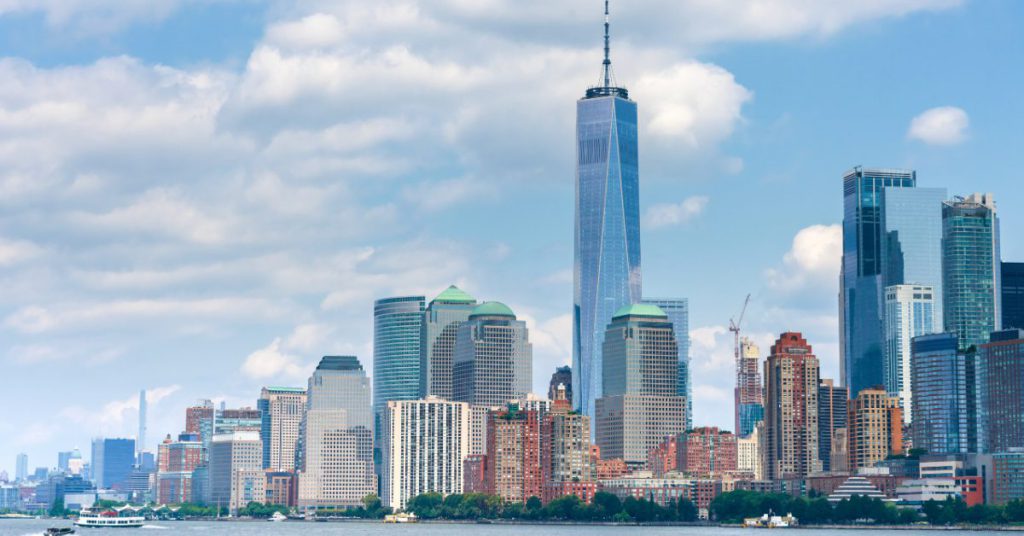

New York City’s update to Local Law 159 of 2025 comes in direct response to renewed public health concerns following a Legionnaires’ disease outbreak linked to cooling towers. The outbreak emerged in Central Harlem where it was later declared over in August 2025. This incident involved 12 cooling towers on 10 separate buildings. During this outbreak, there were 114 confirmed cases of Legionnaires disease, resulting in 7 deaths. This outbreak led city officials to strengthen its approach to Legionella growth risk management. The updated law signals a shift toward more proactive prevention measures aimed at safeguarding public health.
About The New Law
The biggest difference between Local Law 77 and Local Law 159 is the shift from quarterly to monthly Legionella testing, significantly increasing monitoring frequency. While LL77 established the foundation for cooling tower compliance, LL159 strengthens it by requiring more proactive oversight, faster detection of risks, and more consistent management of water systems.
| Category | Local Law 77 (2015) | Local Law 159 (2025) |
|---|---|---|
| Testing Frequency | Quarterly Legionella culture testing (every 90 days while in operation) | Monthly Legionella culture testing (~every 30 days) |
| Registration Requirement | Mandatory registration of all cooling towers with NYC DOHMH | Continues requirement (no major change) |
| Response to Positive Results | Required corrective actions based on Legionella levels (cleaning, disinfection, retesting) | Similar framework but faster detection → quicker response timelines due to monthly testing |
| Cleaning & Disinfection | At least twice per year + as needed | No major change, but more frequent testing may trigger more frequent corrective cleanings |
| Documentation / Recordkeeping | Required maintenance logs, test results, and compliance documentation | Same requirements, but greater emphasis on up-to-date records due to increased testing frequency |
| Enforcement / Penalties | Penalties for non-compliance (fines, violations) | Likely stricter enforcement and higher risk of violations due to more frequent required actions |
Who Must Comply
- All NYC buildings operating any cooling towers, fluid cooler, or evaporative condensers.
- Both year-round and seasonal cooling tower operators
What This Means For Building Owners
- Monthly testing of your cooling towers is required.
- Owners are ultimately responsible for compliance, so it’s important to work closely with water treatment partners, like IWC Innovations, to verify that all requirements are being met.
- All testing results, maintenance activities, and corrective actions must be properly recorded and readily available for inspection.
- With stricter enforcement, failure to meet requirements can lead to fines and potential public health risks.
Critical Information
- Violations begin May 7th, 2026, and there is no grace period.
- The NYC DOH will conduct compliance inspections and issue fines per violation, with each day counted separately. Repeat or ongoing non-compliance across inspections can result in an emergency order to shut down your cooling tower until resolved.
- Proposed formal amendments to Chapter 8 of Title 24, the full cooling tower law, are currently under active regulatory review. While Local Law 159 of 2025 will stand, additional rule changes are expected. Building owners should anticipate an evolving compliance landscape beyond May 2026.
How IWC Innovations Can Help
IWC Innovations helps building owners navigate the updated requirements of NYC Local Law 159 with confidence by providing comprehensive water management programs tailored to cooling tower systems. We ensure reliable monthly Legionella growth testing to deliver rapid response support when action levels are triggered, IWC partners closely with clients to maintain compliance at every step.
IWC Innovations takes the burden off building owners, helping protect occupant health while reducing the risk of violations and penalties.