
Water management programs are designed to protect building occupants, maintain regulatory compliance, and prevent costly waterborne pathogen outbreaks like Legionella bacteria. But simply having a water management plan in place isn’t enough. If your program hasn’t evolved alongside changing regulations and building operations, it may already be outdated.
An outdated water management program can leave your facility vulnerable to compliance gaps, operational inefficiencies, and increased health risks. Here are the top signs your water management program needs an update and how modernizing your approach can improve water safety and system performance.
1. Your Water Management Plan Hasn’t Been Updated in Years
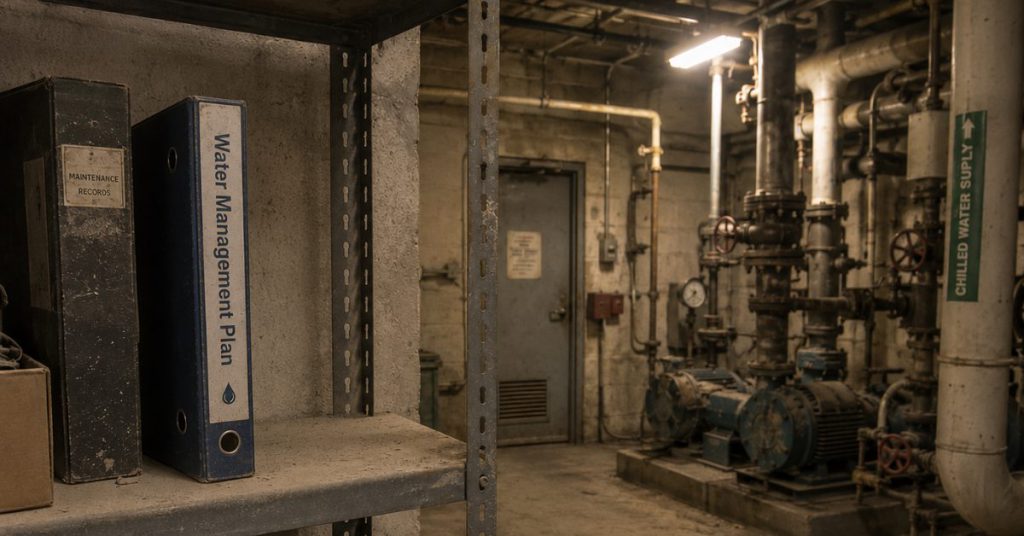
One of the clearest signs of an outdated water management program is relying on a plan that hasn’t been reviewed or revised in several years.
Building water systems are constantly changing due to renovations, occupancy shifts, equipment upgrades, and operational adjustments. Regulations and industry standards also continue to evolve, especially around Legionella risk management and healthcare water safety.
If your plan still references outdated procedures, old equipment, or inactive control measures, it may no longer accurately reflect your building’s current water system.
It’s also important to determine whether your facility is subject to any regulations requiring a water management plan. To learn more about your facility’s requirements and whether a water management plan is necessary, contact IWC Innovations for guidance and support.
To reduce water safety risks, facilities should review and update their building water management plan at least annually or anytime major system or operational changes occur. Regular updates help ensure monitoring practices, control measures, and team responsibilities remain accurate and aligned with current industry standards.
2. You’re Still Using Manual Spreadsheets and Paper Logs
Many facilities still rely on paper forms or disconnected spreadsheets to track temperature checks, flushing activities, and testing results. While this may have worked in the past, manual documentation creates significant room for error and inefficiency. This type of tracking can lead to missing monitoring records, difficulty locating compliance documentation, delayed corrective actions, and inconsistent data collection across sites
Modern water management software allows facilities to automate monitoring, centralize documentation, and improve accountability across teams.
Implement digital water management program software that provides:
- Automated alerts
- Cloud-based documentation
- Real-time monitoring visibility
- Simplified compliance reporting
3. Your Team Only Focuses on Reactive Legionella Testing
Facilities with outdated programs often rely heavily on reactive testing activities instead of proactive risk management strategies.
A Modern Water Management Program Should Include:
- Designated Water Management Program Team
- Building Survey and System Description
- Hazard analysis
- Control measures
- Routine monitoring
- Corrective action procedures
- Verification and validation processes
- Staff training and accountability
If your program only responds after a positive test result, you may be missing critical opportunities to reduce risk before problems occur.
4. Your Building Has Experienced Major Operational Changes
During the COVID-19 pandemic, many facilities remained vacant or underutilized for extended periods, some for more than a year. Reduced occupancy allowed water to sit stagnant in plumbing systems, creating ideal conditions for bacteria like Legionella bacteria to grow and gain a foothold throughout the system. Even years later, many facilities are still dealing with the long-term effects these prolonged shutdowns had on building water systems.
Another often-overlooked factor is facility renovations or new construction projects. Both can disrupt normal water flow throughout a building and permanently change water usage patterns. These disruptions can increase the risk of stagnation, temperature fluctuations, and other water quality issues if the building’s water management plan is not updated accordingly.
Changes in water demand can create:
- Water stagnation
- Loss of disinfectant residual
- Biofilm formation
- Increased risk of Legionella growth amplification
If your water management plan wasn’t updated after these changes, your control measures may no longer be effective.
5. You’re Struggling to Stay Compliant
Regulatory expectations around building water safety continue to increase, particularly in healthcare, long-term care, hospitality, and commercial facilities.
If your team struggles to:
- Prepare for audits
- Maintain documentation
- Demonstrate corrective actions
- Meet CMS or local health department requirements
…it may be time to modernize your program.
6. Your Staff Isn’t Properly Trained
Even the best water management program will fail without proper staff engagement and training. A successful program depends on multiple team members understanding their roles, consistently completing monitoring tasks, and knowing how to respond when issues arise. If only one person understands the plan, or if employees are unclear about monitoring responsibilities, your program becomes vulnerable to inconsistency, missed tasks, and human error.
Training gaps can lead to skipped flushing procedures, incomplete temperature checks, delayed corrective actions, and poor documentation practices. High staff turnover can further weaken program effectiveness when knowledge is not properly shared across the team.
Regular training ensures employees understand the importance of water safety, recognize potential risks, and remain aligned with current compliance requirements and facility procedures. Facilities with strong staff engagement are far more likely to maintain consistent monitoring, improve accountability, and reduce the risk of waterborne pathogen growth within their building water systems.
7. You Don’t Have Real-Time Visibility Into Water System Performance
Outdated programs are often reactive instead of proactive. Facilities may not discover issues until a test result comes back positive, or a system failure occurs.
Today’s leading facilities use smart monitoring tools and connected systems to improve visibility into:
- Water temperature
- Disinfectant levels
- Flow activity
- Flushing compliance
- Equipment performance
How to Modernize Your Water Management Program
If your current plan shows any of these warning signs, now is the time to take action.
A modern program should be dynamic, data-driven, and regularly reviewed to ensure it reflects current building conditions, water usage patterns, and industry best practices. Using digital tools, automation, and ongoing staff training can significantly improve consistency, accountability, and response times when issues arise.
Key Steps to Improve Your Program:
- Conduct a comprehensive program review
- Update hazard analyses and control measures
- Digitize monitoring and documentation processes
- Train staff on updated procedures
- Implement proactive water quality monitoring
- Partner with water management experts when needed
Facilities that invest in modern water management strategies are better equipped to reduce stagnation risks, maintain compliance with standards like ASHRAE Standard 188, and respond quickly to changing building conditions. Taking a proactive approach today can help prevent costly water quality issues and create a safer environment for building occupants in the future.
Take a Proactive Approach to Water Safety
An outdated water management program can create hidden risks that impact safety, compliance, and building operations. As regulations evolve and building systems become more complex, facilities need modern strategies to effectively manage water quality and reduce Legionella risk.
By updating your program, embracing digital tools, and strengthening operational oversight, your facility can build a safer, more compliant water management strategy for the future.
Looking to Improve Your Water Management Program?
IWC Innovations helps facilities modernize their water management plans with digital compliance tools, monitoring solutions, and expert guidance designed to simplify water safety management.