

When students leave campus for summer break, winter holidays, or extended closures, most facility managers shift their focus to energy savings, security, and maintenance. But there’s one critical system that often gets overlooked:
Your building’s water system.
Low or no occupancy doesn’t just mean less water usage, it fundamentally changes water quality. And without proper management, that shift can introduce serious health risks, regulatory issues, and costly consequences.
Let’s break down what actually happens and what you should do about it.
What Does “Low Occupancy” Really Mean?
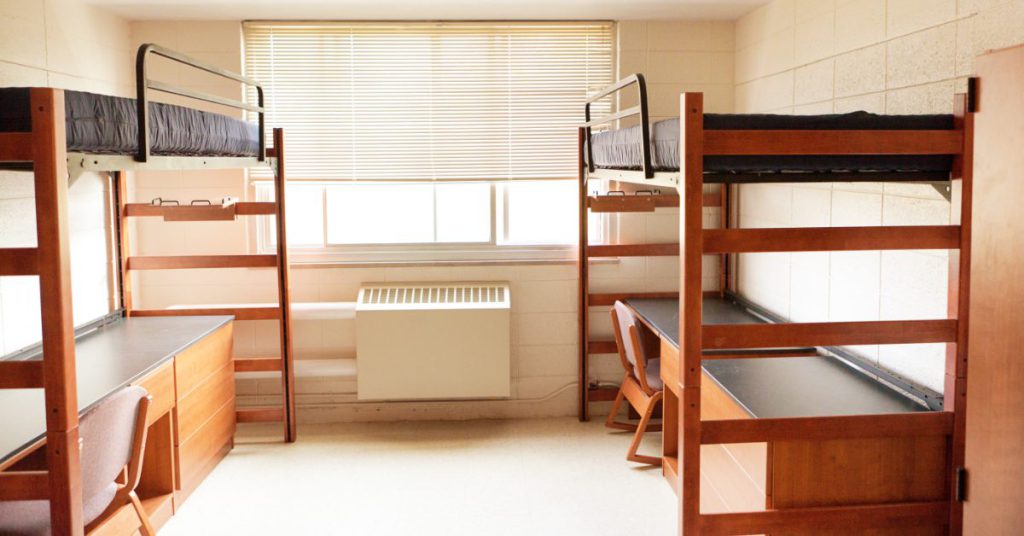
In educational settings, low occupancy refers to periods when student and staff presence is significantly reduced or absent, like summer break or extended closures. During this time, normal water usage drops dramatically, leaving plumbing systems largely stagnant.
What Happens Inside Your Water System?
When water stops moving, problems start building.
Here’s what typically occurs in low-use conditions:
- Water stagnation
- Loss of disinfectant residual (like chlorine)
- Temperature fluctuations that create ideal conditions for bacterial growth
In short: your water system becomes the perfect environment for microorganisms to thrive.
The Biggest Risk: Waterborne Pathogens
Stagnant water can support the growth of harmful bacteria, including:
- Legionella
- Pseudomonas
- Non-tuberculous mycobacteria (NTM)
Why Legionella Matters
Legionella bacteria can cause Legionnaires’ disease, a severe form of pneumonia. Infection occurs when contaminated water droplets are inhaled, typically through showers, cooling towers, or faucets.
And it doesn’t take much:
- A contaminated water source
- A pathway for exposure (like aerosolized water)
- A susceptible individual
That’s all it takes to create a serious health incident.
Real-World Consequences for Campuses
This isn’t theoretical, campuses across the U.S. have already faced these challenges:
- Rose State College (2025): Elevated Legionella levels triggered system-wide flushing and preventive measures
- Kettering City Schools (2023): Positive tests led to student health concerns and emergency response
- San Diego State University (2023): A fatal case prompted building closures and an extensive investigation
Even when no illnesses occur, the impact can be significant:
- Public health investigations
- Facility shutdowns or restricted operations
- Emergency remediation costs
- Legal liability
- Negative media attention and reputational damage
Put simply: this is both a safety issue and a PR risk.
Where Are the Highest Risk Areas?
Not all parts of your system are equally vulnerable.
Common high-risk areas include:
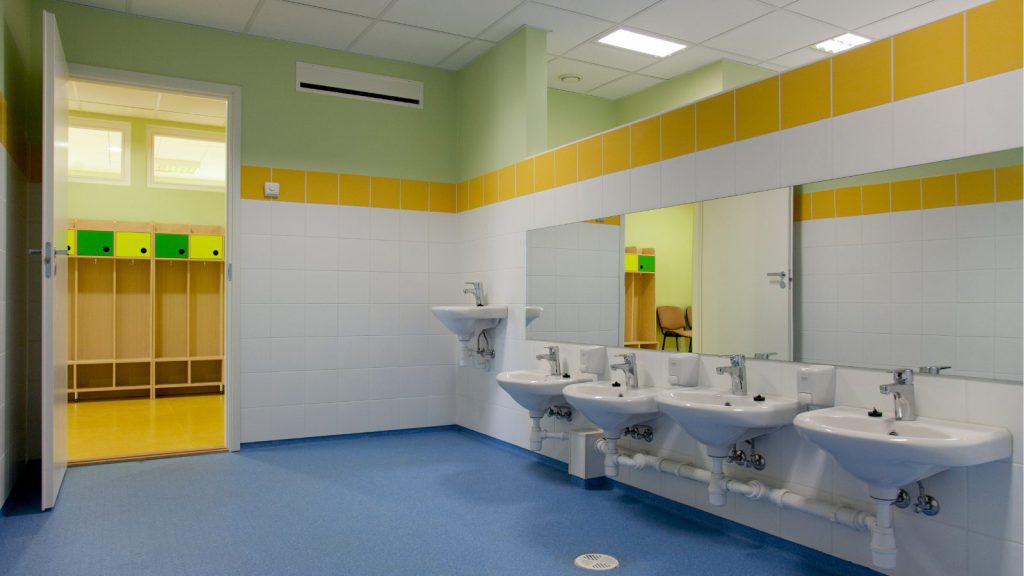
- Locker rooms and showers
- Drinking fountains and bottle fillers
- Science labs and eye wash stations
- Dormitories
- Cooling towers and decorative fountains
Infrastructure challenges that increase risk:
- Aging plumbing
- Dead legs (unused pipe sections)
- Low-flow fixtures
- Seasonal shutdown/startup patterns
How to Prevent Water Quality Issues
The good news: these risks are preventable with the right strategy.
Before Closure
- Develop or update your Water Management Plan (WMP)
- Identify high-risk areas
- Establish flushing protocols
- Set baseline monitoring levels
During Low Occupancy
- Maintain routine flushing schedules
- Control water temperatures
- Monitor disinfectant levels
- Implement WMP control measures
- Use remote monitoring if available
Before Reopening
- Perform system-wide flushing
- Conduct targeted testing (e.g., Legionella)
- Take corrective actions if needed
- Document everything and communicate clearly
Follow Industry Guidance
Organizations like the CDC and ASHRAE provide clear recommendations for reopening buildings safely, including:
- Flushing systems
- Maintaining water heaters
- Cleaning decorative features
- Ensuring cooling towers and safety systems are properly maintained
ASHRAE 188, in particular, outlines the framework for effective water management programs, including risk assessment, monitoring, and corrective actions.
Why a Water Management Plan Is Critical
A strong Water Management Plan isn’t just a best practice, it’s becoming a regulatory expectation in many states.
A comprehensive plan helps you:
- Standardize processes across campus
- Reduce monitoring and maintenance gaps
- Improve response time during incidents
- Ensure compliance with evolving regulations
- Protect occupant health proactively
And most importantly, it shifts you from reactive to preventive.
Cost of Prevention vs. Cost of Reaction
Here’s the reality:
- Prevention = planned, controlled, and budgeted
- Reaction = emergency response, disruption, and high cost
When outbreaks occur, costs can include:
- Remediation and disinfection
- Business interruption
- Legal expenses
- Long-term reputational damage
Some facilities even rely on specialized insurance riders to offset these risks but prevention is always the better investment.
Final Takeaway
When campuses empty out, stagnant water increases causing concern for bacterial growth.
Without proper management, that change can lead to serious health risks, operational disruption, and financial consequences.
But with the right planning, monitoring, and execution, you can keep your water systems safe, no matter the occupancy level.
Need Help Protecting Your Campus?
At IWC Innovations, we help facilities stay ahead of water quality risks with:
- Water Management Plans
- Legionella testing and remediation
- Risk assessments and compliance support
- Full-service water treatment solutions
If your campus is heading into a low-occupancy period, now is the time to act.