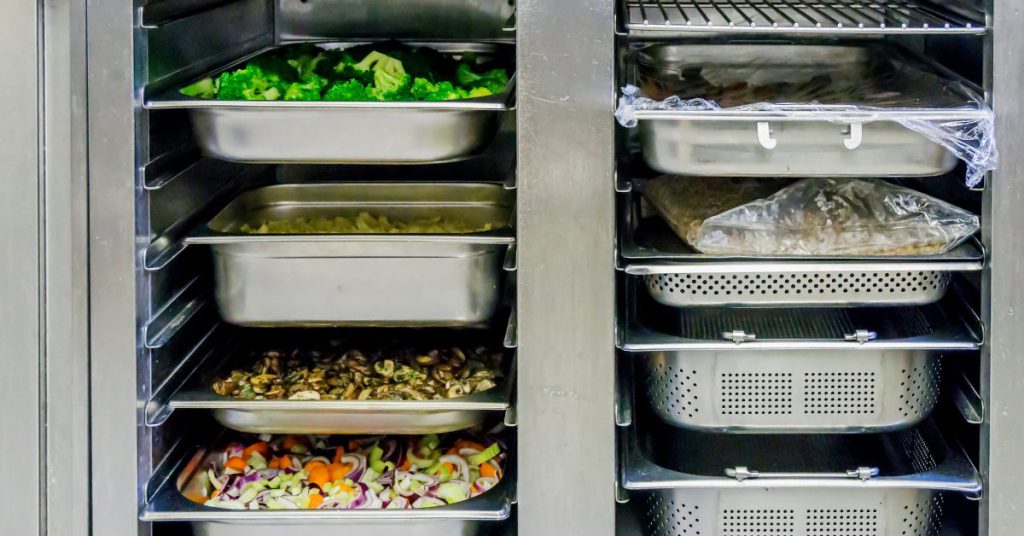

In senior living and long-term care facilities, steam cooking equipment is used in daily food preparation. Steamers are used to cook vegetables, rice, proteins, and other menu items because they provide consistent results, preserve nutrients, and support efficient kitchen operations.
Many facilities overlook one factor that can dramatically impact the performance and lifespan of their steam generators: water quality.
Installing a reverse osmosis (RO) system ahead of steam generators can significantly reduce operating costs, extend equipment life, and help avoid costly downtime. Here’s why.
The Hidden Cost of Poor Water Quality
Water contains dissolved minerals such as calcium, magnesium, silica, iron, and other impurities. When this water is heated inside a steam generator, the water evaporates, but the minerals remain behind.
Over time, these minerals form hard scale deposits on heating elements, inside boiler chambers, and throughout steam distribution components.
Even a thin layer of scale can create major problems:
- Reduced heat transfer efficiency
- Increased energy consumption
- Longer cooking times
- More frequent maintenance
- Premature equipment failure
- Unexpected kitchen downtime
For facilities serving hundreds of meals each day, these issues can quickly become expensive.
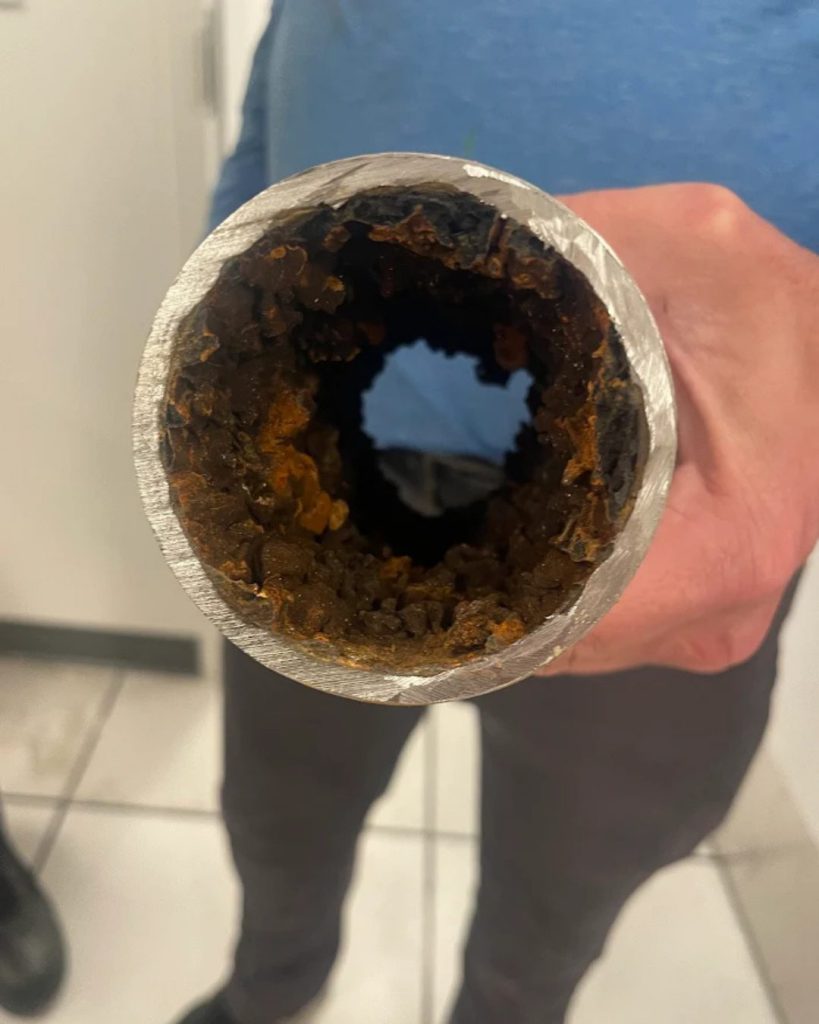
What Happens Inside a Steam Generator When Scale Builds Up?
Think of scale as an insulating blanket wrapped around a heating element.
As scale accumulates, the heating element must work harder and run longer to produce the same amount of steam. This increased workload leads to:
- Higher Utility Costs: Scaled heating surfaces require more energy to achieve desired temperatures. Facilities often see increased electricity or gas consumption without realizing water quality is the root cause.
- Heating Element Failure: When scale prevents heat from transferring efficiently into the water, heating elements can overheat. This often results in burned-out elements that require replacement.
- Reduced Steam Production: Scale buildup can restrict water flow and reduce steam output, affecting cooking performance and consistency.
- Increased Service Calls: Technicians frequently encounter steamers with clogged probes, fouled level controls, blocked valves, and scaled heating chambers. These issues lead to unplanned repairs and maintenance expenses.
- Shortened Equipment Life: Steam generators are a significant investment. Poor water quality can dramatically reduce the lifespan of the equipment, forcing facilities to replace units years earlier than expected.
How Reverse Osmosis Protects Steam Equipment
Reverse osmosis is one of the most effective water treatment technologies available for steam cooking applications.
An RO system removes up to 95-99% of dissolved minerals before water enters the steam generator.
This means:
- Less scale formation
- Cleaner heating surfaces
- More efficient steam production
- Lower energy consumption
- Fewer maintenance issues
- Longer equipment life
Instead of allowing minerals to accumulate inside the steam generator, the RO system removes them at the source.
A Preventative Approach That Pays Off
Many facilities only address water quality after experiencing repeated equipment failures or rising maintenance costs. By that point, significant damage may already exist.
Reverse osmosis systems require routine maintenance, but those costs are predictable and relatively low compared to the expense of equipment repairs, emergency service calls, or premature replacement of steamers, boilers, and other water-using systems.
Installing an RO system proactively helps prevent scale-related problems before they start. For senior living communities that rely on steam cooking equipment every day, water treatment is not simply a maintenance expense; it’s an investment in operational reliability and long-term cost savings.
Is Your Steam Generator Being Protected?
If your facility uses steamers for vegetables, proteins, or batch cooking, evaluating your incoming water quality could reveal opportunities to reduce operating costs and extend equipment life.
A properly designed reverse osmosis system can help protect valuable kitchen assets, improve efficiency, and support uninterrupted meal service for the residents who depend on it every day.